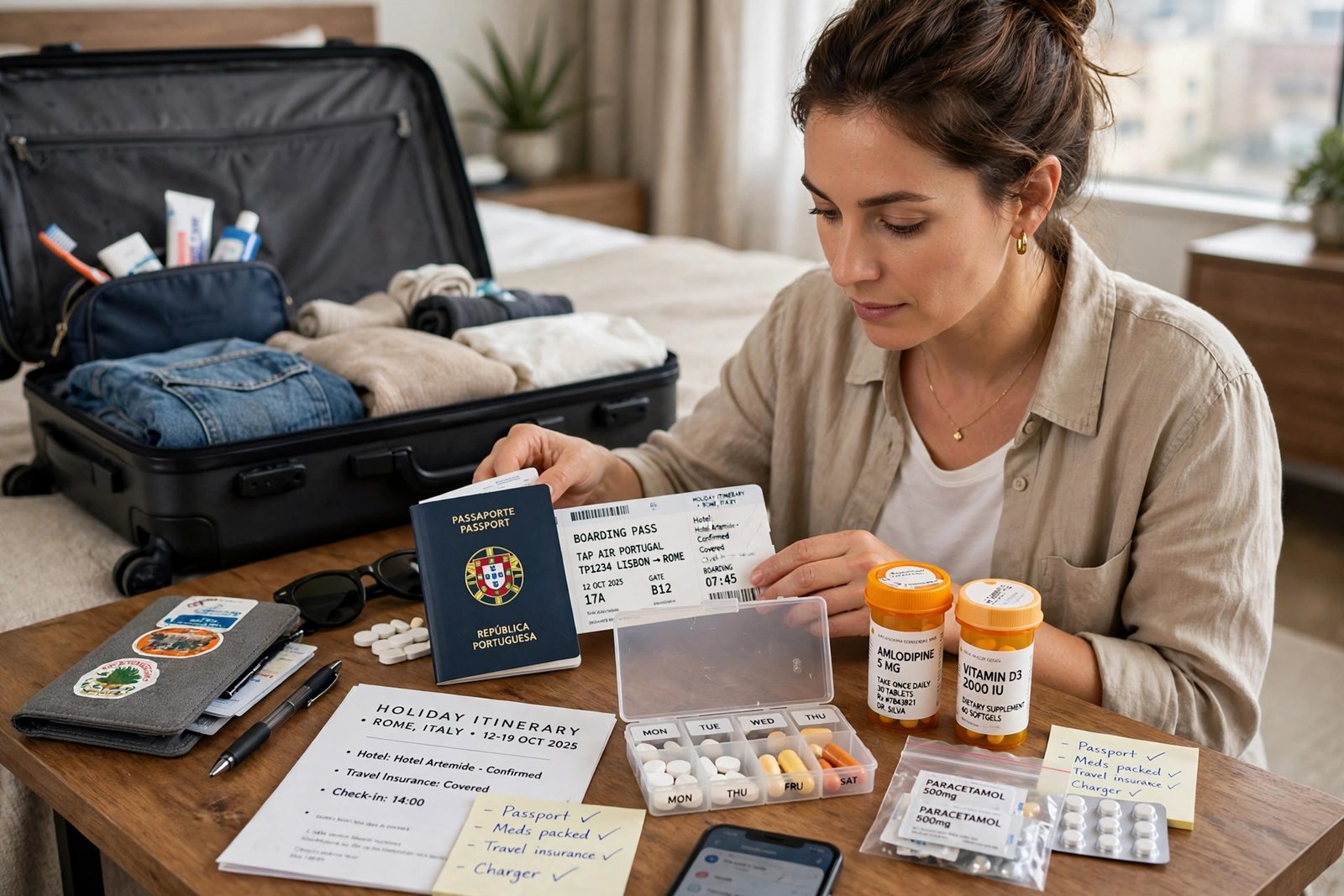
Having a medical condition does not mean you cannot travel, and it does not mean you cannot be insured. It does mean you need to approach travel insurance differently from a traveller with no health history. Many standard policies exclude conditions that existed before the policy was bought, and the single most common reason for a medical claim being refused is a condition that was not declared. This guide explains what counts as a pre-existing condition, how to declare conditions honestly, what insurers usually ask, how specialist cover differs from standard cover, and how to prepare for travelling with medication. It is general information only, not medical advice, and any decision about whether you are fit to travel should be made with your own doctor.
The key message is reassuring. Insurers deal with travellers who have medical conditions every day, and there are policies designed specifically for them. The process takes a little more time than buying a standard policy, because you will usually answer questions about your health, and the terms may differ from a standard policy. But a policy bought honestly, with every relevant condition declared and accepted in writing, is a policy you can rely on. A policy bought quickly, with conditions left unmentioned in the hope that they will not matter, is a policy that may fail at exactly the moment you need it most. For the general background on how holiday cover works, our guide to holiday insurance in the UK is a useful starting point, while this article focuses entirely on the medical side of the picture.
What Counts as a Pre-Existing Medical Condition
A pre-existing medical condition is generally any illness, injury, or health condition that you had before you bought your travel insurance, or that you have been treated for, investigated for, or prescribed medication for in the recent past. The exact definition varies between insurers, and the time period they look back over varies too, so the wording of your own policy is what matters. Conditions that people sometimes assume do not count often do, and this is where travellers most often make mistakes. A condition that is well controlled, that causes you no day-to-day trouble, or that you have lived with for years is still a pre-existing condition in insurance terms if it falls within the policy definition.
Common examples include heart conditions, high blood pressure, diabetes, asthma, arthritis, epilepsy, mental health conditions, and conditions affecting the lungs, kidneys, or digestive system. A past cancer diagnosis, a previous operation, or a condition for which you take regular medication can also count, even if treatment finished some time ago. Pregnancy is sometimes treated separately, with its own section in the policy, so check how your insurer handles it rather than assuming it is covered in the same way as other conditions. If you are unsure whether something counts, the safe approach is to mention it. An insurer can tell you that a condition does not affect your cover, but no insurer can cover a condition it was never told about.
It is also worth understanding that insurers think in terms of related conditions as well as named diagnoses. A claim for a problem that is connected to an undeclared condition can be refused even if the immediate cause looks different, because the insurer will look at your medical history as a whole. This is another reason to declare fully rather than selectively. A complete, honest declaration protects the whole policy, not just the section dealing with the condition itself, and it removes the worry of wondering whether a claim might be challenged on medical grounds.

Why Declaring Conditions Honestly Matters So Much
Declaring a condition honestly is the foundation of valid medical cover. When you declare, the insurer can assess the risk, decide whether to cover the condition, and set terms that reflect it. Those terms might include cover with no change, cover with a specific exclusion, cover with a higher excess for claims related to the condition, or cover on a specialist policy. Whatever the outcome, you know where you stand before you travel, and a claim related to the condition will be judged against terms you agreed to, rather than against a policy that never included the condition at all.
Leaving a condition out, by contrast, creates a serious risk. If you need treatment abroad for that condition, or for a problem related to it, the insurer may refuse the claim once your medical history comes to light, and medical treatment abroad can be extremely expensive. The insurer may also argue that the policy as a whole was bought on incomplete information. This is not a technicality or a trap. Insurers price policies on the information they are given, and a policy bought without that information was never the policy the traveller believed they had. Honesty costs a little time at the buying stage and protects everything that follows.
Honesty also means keeping the insurer informed if your health changes after you buy the policy but before you travel. A new diagnosis, a change of medication, a hospital stay, or being placed on a waiting list for treatment can all affect your cover, and most policies require you to tell the insurer about such changes. It is tempting to stay quiet for fear of losing cover, but a change disclosed before departure can usually be accommodated, sometimes with revised terms, while a change discovered during a claim can lead to refusal. If your health changes, contact the insurer promptly and ask for the revised position in writing.
What Insurers Usually Ask
When you declare a condition, most insurers will ask you a series of screening questions about your health. These are usually straightforward, and they are designed to understand how stable your condition is and what treatment you receive. Expect questions about the condition itself, when it was diagnosed, what medication you take and whether the dose has changed recently, whether you have been admitted to hospital or attended accident and emergency for the condition, whether you have had surgery or are awaiting tests, treatment, or surgery, and whether your condition is under control. You may be asked similar questions about each condition you declare, and about your general health as well.
Answering these questions accurately matters as much as declaring the condition in the first place. An inaccurate answer, even an innocent one, can cause the same problems as an omission if it leads the insurer to assess your risk incorrectly. Before you start, it helps to have useful information to hand, such as the names of your conditions, the medication you take, the dates of any recent hospital visits or changes in treatment, and the name of your doctor or consultant. You do not need to know complex medical detail, but having the basics ready makes the process quicker and reduces the chance of guessing at an answer under pressure.
Some travellers worry that screening questions are intrusive, and it is understandable to feel that way about sharing health information. Remember that the questions have a specific purpose, which is to offer cover that actually protects you, and that insurers handle medical information under strict privacy rules. You are not obliged to buy from the first insurer you speak to, and if a screening process feels unhelpful or unclear, you can try another provider or a specialist broker. The right insurer is one that asks clear questions, explains its decision, and confirms the outcome in writing, so that you travel knowing exactly what is covered.
Specialist Cover vs Standard Cover
A standard travel policy is designed for travellers with no significant medical history, and it will usually exclude pre-existing conditions unless they are declared and accepted. Some standard insurers will accept certain conditions after screening, sometimes with revised terms, and for a traveller with a single well-controlled condition, a standard policy with a declared condition can be perfectly adequate. The important test is not the type of policy but the written confirmation that your condition is covered, on terms you understand and accept.
Specialist travel insurance is designed for travellers with medical conditions, and it is often the better route when a condition is complex, recent, or one that standard insurers are reluctant to cover. Specialist providers and brokers deal with medical screening every day, and they may offer higher medical limits, cover for conditions that standard policies exclude, and staff who understand the questions you are asking. A specialist policy may also be more flexible about travelling with medication or medical equipment, and about conditions that have changed recently. Comparing a specialist quote with a standard quote, on the same medical disclosure, is often the fastest way to see which offers better protection for your situation.
When comparing specialist and standard cover, look beyond the headline terms and check the same details you would check on any policy. Is the medical limit high enough for your destination, and is medical evacuation back to the UK included. Is the condition itself covered, or is it excluded even though it was declared. Is there a higher excess for claims related to the condition, and could you afford to pay it. Are there conditions on the cover, such as a requirement to carry medication in a particular way, or to have a doctor confirm you are fit to travel. Does the policy cover cancellation if your condition worsens before departure, as well as treatment during the trip. A policy that covers treatment but not cancellation for the same condition leaves an important gap, so check both.

What Cover May Look Like When a Condition Is Declared
Declaring a condition does not automatically mean a dramatic change to your policy, and many travellers are pleasantly surprised by the outcome. In some cases, the insurer accepts the condition with no change to the policy at all. In other cases, the insurer may apply a specific exclusion, meaning the policy covers everything except claims related to that condition, which may still be useful if you want cover for everything else but are prepared to accept the risk on one condition. In other cases, the insurer may cover the condition but with a higher excess for related claims, or with revised terms that you should read carefully before accepting.
Occasionally, an insurer may decline to cover a particular condition, or decline to offer a policy at all. This can feel discouraging, but it is not the end of the road. Different insurers assess risk differently, and a condition one provider declines may be accepted by another, particularly a specialist provider. A broker who specialises in medical travel insurance can compare several providers at once and may find cover that a single direct search misses. If several providers decline, it is worth asking exactly why, because the reason may be something specific, such as a recent change in treatment or an outstanding test, that could change with time or with further information from your doctor.
Whatever terms you are offered, get them in writing before you travel, and check that the written confirmation names your conditions correctly. A verbal assurance that a condition is covered is not enough, because a claim will be judged against the written policy and the written screening record. Keep the confirmation with your policy documents, and take a copy on the trip. If the written terms differ from what you were told, query the difference before departure, when there is still time to change provider. A few minutes checking the paperwork can prevent a serious dispute later.
Choosing a Suitable Destination and Trip
Your choice of destination and trip can make travelling with a medical condition considerably easier, and it is worth thinking about this alongside the insurance itself. Consider how far you are travelling from home, how good the local healthcare is, and how easily you could get home if you became unwell. A destination with reliable hospitals, clear emergency services, and straightforward transport links may be a wiser choice than a remote location where help is hard to reach, especially if your condition could need urgent attention. This is not about avoiding adventure, but about matching the trip to your health in a sensible way.
Practical details matter too. Choosing accommodation that is comfortable, accessible, and close to medical facilities can make a real difference, as can planning a pace that leaves room for rest rather than packing every day full. Our guide to where to stay in Malta shows how the area and hotel you choose shape a holiday, from the activities nearby to the ease of getting around, and those choices matter even more when you are travelling with a condition. A well-chosen base, with good transport and nearby amenities, reduces strain and leaves you better placed if you need help.
Before booking, it is also sensible to check the practicalities of your destination for your specific needs. Find out whether your medication is available locally in case you lose a supply, whether your medical equipment can be carried and charged or powered as needed, and whether the climate or altitude could affect your condition. A short conversation with your doctor about the destination can highlight issues you had not considered, such as vaccinations, the effect of heat or altitude, or the need for extra supplies. Planning these details in advance turns a trip that might feel uncertain into one you can look forward to with confidence.
Travelling with Medication: Practical Tips
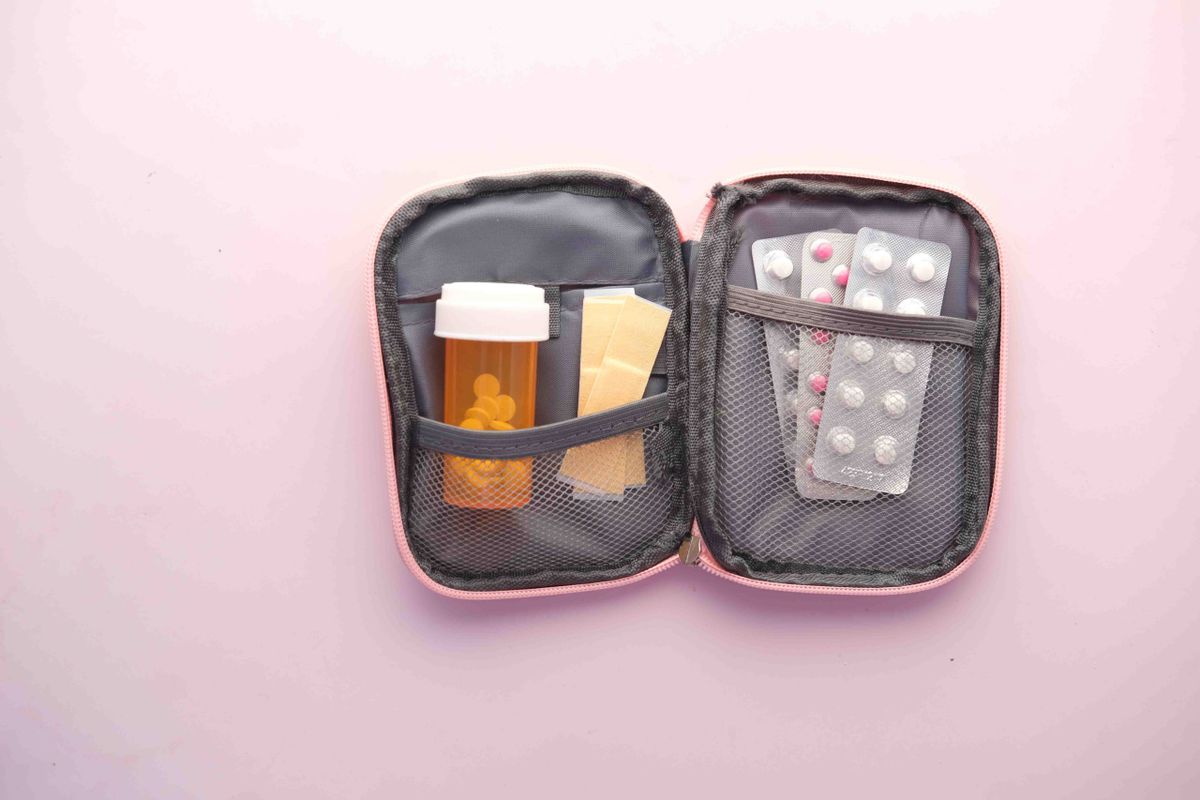
Travelling with medication needs a little extra planning, but it is straightforward once you know the basics. Keep medication in your hand luggage, not in checked baggage, so that it stays with you even if a bag is delayed or lost. Carry enough for the whole trip, plus a little extra in case of delays, and keep it in its original packaging with the pharmacy label visible, so that it is clearly identifiable. If you use medication that needs to be kept cool, check how you will store it during travel and at your destination, and carry any cooling equipment you need as hand luggage where the airline allows it.
Documentation helps at every stage of the journey. A letter from your doctor explaining your condition and your medication can smooth the way through security checks and customs, and it can help medical staff abroad understand your treatment quickly if you need care. A copy of your prescription is also useful, both for replacing medication if it is lost and for explaining your treatment to a pharmacist or doctor abroad. Keep these documents with you rather than in checked luggage, and consider keeping a copy separately, for example with a travelling companion or in a secure digital form you can access from your phone.
Check the rules for your destination before you travel, because some medications that are routine in the UK are controlled or restricted elsewhere, and some countries require documentation or prior permission for certain medicines. Your doctor or pharmacist can advise, and official travel health guidance for your destination is worth checking well before departure, since permissions can take time to arrange. Also check your airline’s rules for carrying medication and medical equipment, including any limits on liquids, needles, or powered devices, and tell the airline in advance if you need special assistance or extra hand luggage for medical reasons. Sorting these points early avoids stressful surprises at the airport.
Documentation Tips That Protect a Claim
Good documentation does more than smooth your journey. It also protects you if you need to claim. Before departure, keep a file with your policy documents, the written confirmation that your conditions are covered, your screening answers, your doctor’s letter, your prescriptions, and your travel booking details. Take copies on the trip, and leave a copy with someone at home who could send it to you if needed. If you need medical treatment abroad, keep every receipt, medical report, and prescription, and note the names of the doctors and hospitals involved, since insurers will ask for this evidence when you claim.
If you need treatment abroad, contact your insurer’s emergency helpline as early as you reasonably can, unless it is a genuine emergency where delay would be dangerous. The helpline can confirm that your treatment is covered, arrange direct payment to a hospital where possible, and advise on the nearest suitable facility. Keep a record of every call, including the date, the name of the person you spoke to, and what was agreed, since this record can be valuable if a claim is later questioned. The same habit applies to any conversation with your insurer before departure. Written records protect you in a way that memory alone cannot.
If a claim is refused, ask for the refusal in writing and check it carefully against your policy wording and your screening record. Genuine misunderstandings do happen, and a polite challenge supported by your documents sometimes succeeds, particularly if the refusal rests on a condition that was in fact declared and accepted. If the refusal stands and you believe it is wrong, you can complain to the insurer through its formal complaints process, and then to the Financial Ombudsman Service if the complaint is not resolved. Knowing this route exists is reassuring, but the best protection remains a complete declaration and a clear written record from the start.
When to Buy, and What to Do If Your Health Changes
Buy your policy as soon as you book, not just before you fly, because cancellation cover only protects you from the date the policy starts. This matters even more when you have a medical condition, because a worsening of your condition before departure is one of the most common reasons for cancelling, and only a policy already in force can cover it. Buying early also gives you time to complete medical screening properly, to compare specialist and standard options, and to change provider if the terms offered do not suit you, without the pressure of an imminent departure date.
If your health changes after you buy the policy, tell your insurer promptly. A new diagnosis, a change of medication, a hospital admission, a new referral, or being placed on a waiting list for treatment can all affect your cover, and most policies require you to disclose such changes. The insurer may confirm that your cover is unchanged, may revise the terms, or may in some cases adjust the policy, but a change disclosed before departure can usually be handled. A change that first comes to light during a claim is far harder to resolve. It is also worth reviewing your cover before each trip, even on an annual policy, since a condition that was stable last year may have changed, and an annual policy still requires you to keep the insurer informed.
Frequently Asked Questions
Will declaring a condition always make my policy much more expensive?
Not necessarily. Many conditions, particularly those that are stable and well controlled, are accepted with little or no change to the policy. Where terms do change, the difference reflects the insurer’s assessment of the risk, and it varies a great deal between providers. Comparing several quotes, including specialist providers, is the best way to find fair terms, rather than assuming the first quote you receive is representative.
What happens if I forget to declare a condition?
Contact your insurer as soon as you realise, and declare it before you travel. A condition declared late can usually still be added, sometimes with revised terms, while a condition that remains undeclared when you claim can lead to refusal of a related claim. If you are unsure whether something counts, mention it and let the insurer decide, since that removes the risk entirely.
Can I get cover if I am awaiting tests or treatment?
It depends on the insurer and the circumstances. Some insurers will offer cover with an exclusion for the condition under investigation, while others may wait until the outcome is known. A specialist broker can be particularly helpful here, since different providers take different approaches. Be honest about the situation, and ask each provider to explain its position in writing before you commit.
Do I need a doctor’s letter to travel with medication?
It is not always legally required, but it is strongly recommended. A letter explaining your condition and medication helps with security and customs checks, helps medical staff abroad understand your treatment, and supports a claim if medication is lost or treatment is needed. A copy of your prescription is a useful companion document, and both should travel in your hand luggage.
Is this article medical advice?
No. This article is general information about travel insurance only. It does not replace advice from your doctor about whether you are fit to travel, how to manage your condition abroad, or how to take your medication. Speak to your doctor or pharmacist about your specific situation before travelling, and follow their guidance alongside the insurance advice here.
Conclusion
Travelling with a pre-existing medical condition takes a little more preparation, but it need not stand in the way of a good holiday. Declare every relevant condition honestly, answer screening questions carefully, and get the outcome confirmed in writing before you travel. Compare standard and specialist cover on the same disclosure, check that both treatment and cancellation are covered for your condition, and prepare your medication and documents with the same care. Do those things, and you can travel with the confidence that comes from knowing your policy will stand behind you if your health needs attention far from home.