
A city break is the perfect short holiday: two or three days, one city, no long transfer, and home again before the laundry pile notices you were gone. Done badly, though, it can cost as much as a week away — expensive flights at peak times, a hotel in the wrong district, and a schedule packed with overpriced attractions. Cheap city breaks are not about doing less; they are about spending on the right things and skipping the traps. This guide shows how to pick the city, time the trip, save on stays and food, and plan a short break that feels generous rather than cut-price.
Picking the Right City
The cheapest city break starts with the right city, not the cheapest flight. Look for cities that are compact and walkable, so you spend little on transport once you arrive; cities with plenty of free or low-cost sights — parks, markets, churches, viewpoints, free museum days — so the itinerary does not depend on paid attractions; and cities where eating and drinking locally is affordable, not a tourist-trap exercise.
Size matters. A huge, sprawling city eats time and transport money just moving between sights, while a compact old town lets you see the best of it on foot in two days. Amsterdam is a classic example of a city that rewards a short break: canals, markets, museums and neighbourhoods packed into a walkable centre, as our guide to a romantic weekend in Amsterdam shows — and the same compactness that suits couples suits budget travellers too, because you simply do not need taxis or day passes to enjoy it.

When to Travel for the Best Value
Timing is the single biggest lever on city-break cost. Flying midweek rather than Friday to Sunday, travelling outside school holidays, and choosing the shoulder seasons — spring and autumn in most European cities — usually brings the best combination of lower fares, cheaper rooms and thinner crowds. Winter breaks can be excellent value too, especially in cities with Christmas markets or strong indoor attractions, though daylight is shorter and some sights close earlier.
Flexibility helps more than loyalty to one airline or booking site. Compare a few departure airports if you can reach more than one, check whether a slightly earlier or later flight changes the fare significantly, and remember that the cheapest flight is not always the cheapest trip: an early-morning arrival that forces a paid airport transfer and a long wait for check-in can cost more than a slightly pricier flight into the city centre.
Where to Stay Without Blowing the Budget
Accommodation is usually the biggest single cost of a city break, and location matters more than luxury. A well-located simple room beats a grand hotel on the outskirts, because every journey saved is money and time back. Look for stays near the old town or the main sights, check what is genuinely included (breakfast, wifi, city tax), and read recent reviews rather than star ratings — a small guesthouse with a great location often outscores a larger hotel further out.
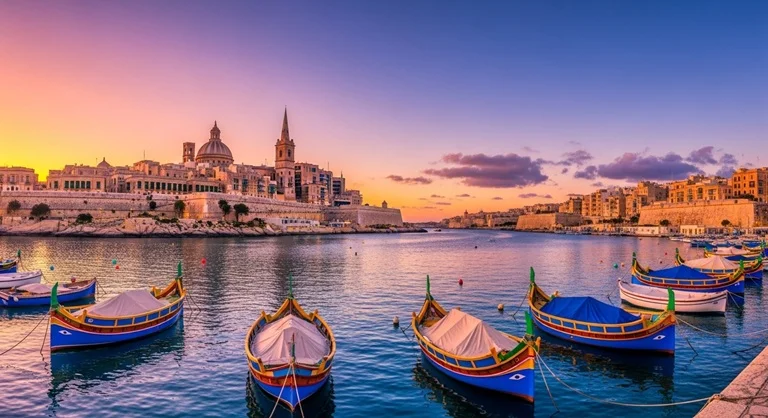
Different cities suit different stays. Apartments work well for groups or families who can cook some meals; boutique guesthouses suit couples; hostels with private rooms suit solo travellers who want a central base without hotel prices. Whatever you choose, book somewhere with free cancellation where possible, so a change of plan does not become a lost payment. Choosing the right area within a destination matters as much as choosing the destination itself — our guide to where to stay in Malta makes the same point for island breaks, breaking down which areas suit couples, families and budget travellers, and the same area-first thinking applies to any city.

Eating Well for Less
Food is where city breaks quietly become expensive. The fix is simple: eat where locals eat. Markets, bakeries, lunch menus and neighbourhood restaurants a few streets from the main sights usually serve better food for far less than the restaurants on the main square. A big lunch and a light evening meal is often cheaper than the reverse, since many restaurants offer lunch deals, and street food and market stalls make excellent cheap dinners in many cities.
A few habits help: carry a water bottle where tap water is safe to drink, buy breakfast supplies from a supermarket instead of paying hotel breakfast prices, and skip the overpriced coffee at the viewpoint in favour of a café one street back. None of this means eating badly — some of the best meals on a city break come from a market stall or a family-run place you found by wandering, not from the restaurant with the longest queue of tourists.
Seeing the City Without Paying for Everything
Most cities offer far more free enjoyment than visitors realise. Walking tours (tip-based), public parks and viewpoints, historic churches, street markets, and many museums’ free days or free permanent collections can fill two days without a single ticket. When you do pay, prioritise one or two experiences you genuinely care about — a major museum, a river cruise, a viewpoint tower — rather than buying a pass that pressures you to rush through ten sights to “get your money’s worth.”
Check city cards honestly before buying one: add up what you would actually visit, compare it with individual ticket prices, and include transport only if you will genuinely use it. For a compact walkable city, a card that bundles transport you will not use is rarely good value. And leave unscheduled time in the plan — wandering a neighbourhood, sitting in a square with a coffee, stumbling on a market — because those unplanned hours are usually what people remember best.
A Simple 3-Day City Break Plan
A plan that works for most two-to-three-day breaks looks like this:
- Day 1 — arrive and orientate: settle into your stay, walk the old town or central district, find the main square, the market and a good local restaurant, and watch the city at evening pace.
- Day 2 — the main sights: visit your one or two paid highlights in the morning when crowds are thinner, spend the afternoon in a neighbourhood or park, and eat where the locals eat.
- Day 3 — slow morning, then home: a market or museum you missed, a final neighbourhood walk, lunch before departure, and no last-minute rushing that turns the final hours into stress.
The key is restraint: three sights enjoyed properly beat eight sights ticked off in a blur. A city break should leave you refreshed, not feeling you need another holiday to recover from it.

Common Mistakes That Make City Breaks Expensive
- Booking the cheapest flight without checking the airport: a distant airport plus transfers can wipe out the saving.
- Staying far from the centre to save on the room: transport costs and lost time usually cancel the saving.
- Over-scheduling: paid passes and back-to-back attractions turn a break into a route march.
- Eating on the main square: the most visible restaurants are rarely the best value.
- Ignoring the small print: baggage fees, city taxes and check-in charges can add a surprising amount to a “cheap” trip.
- Travelling with no buffer: one delayed flight without a plan can turn into an expensive unplanned night.
Frequently Asked Questions
How many days do I need for a city break?
Two full days is enough for a compact city; three days suits larger cities or a slower pace. Less than two days usually means more time travelling than enjoying the city.
Is it cheaper to book flights and hotels together or separately?
It depends. Package deals sometimes include transfers or extras that make them better value, but booking separately gives more control over flight times and hotel location. Compare both for the same dates before deciding.
Should I buy a city pass?
Only if the sights you actually plan to visit add up to more than the pass costs. For walkable cities with plenty of free sights, paying individually for one or two highlights is usually cheaper.
What is the cheapest way to get around a city?
On foot, where the city allows it. Beyond walking, a day or multi-day public transport ticket usually beats single tickets if you will make several journeys; bikes and shared scooters can be good value in flat, cycle-friendly cities.
Conclusion
Cheap city breaks come down to a handful of decisions made well: a compact, walkable city; travel timed outside the peak; a well-located stay rather than a luxurious distant one; food from markets and neighbourhood places; and an itinerary with room to breathe. Get those right and a two-day break can feel as rich as a week away — for a fraction of the cost, and with far less planning stress. Pick the city, book the sensible flight, and leave the afternoons open: the city will do the rest.